
Your needs, this model
Does it fit your priorities?
Will the Qrevo CurvX fit through a measured 3.5-inch opening?
Its listed robot height is 3.14 inches, and Roborock describes low-clearance cleaning from 3.14 inches. Measure the narrowest point and do not assume a nominal gap accounts for uneven floors, hanging fabric or trapped debris.
Explore this need in the finder →Does the CurvX dock supply warm water for the robot's mopping cycle, separately from washing the pads?
Yes. Roborock's comparison with the original Curv says the CurvX dock fills the robot's onboard water tank with warm water for mopping; its dock also washes the pads with water heated up to 80°C.
Explore this need in the finder →Can the CurvX combine a 3.5-inch robot height, at least 80°C dock mop washing and a 20,000Pa-or-higher listed suction specification in one supplied configuration?
Yes. Those specifications belong to the same US robot and EWFD38LRR Thermo+ dock package. The suction figure is Roborock's maximum rating, not an independent pickup score.
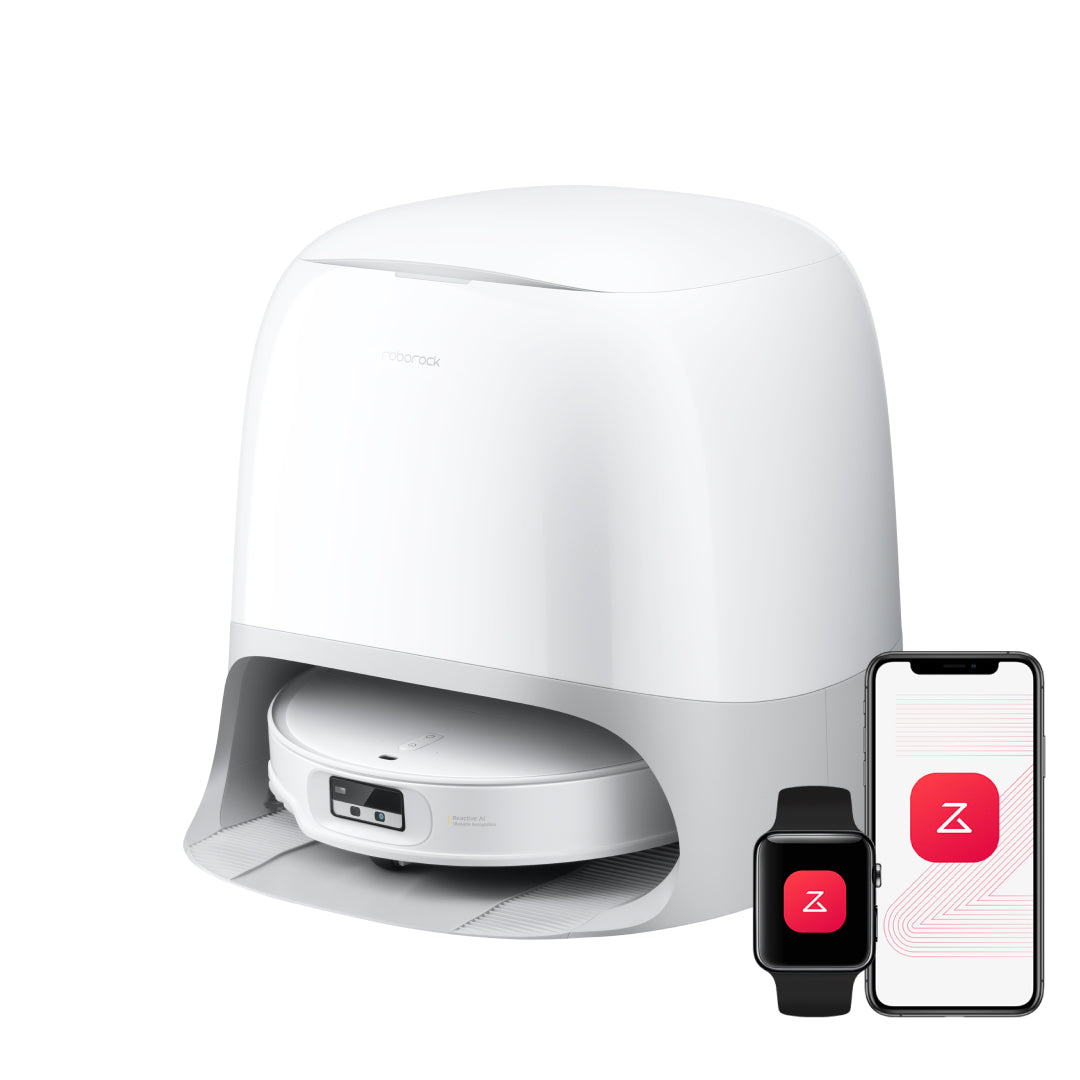
Explore this need in the finder →The Roborock Qrevo CurvX is a combined robot vacuum and spinning-pad mop built around one especially useful change: a 3.14-inch body with retractable LiDAR. That can open routes beneath low sofas or cabinets that the 4.1-inch original Qrevo Curv cannot enter. It also brings a more elaborate dock, with mop washing at up to 80°C and warm water supplied to the robot for its mopping cycle. The upgrade is meaningful when those exact fit and water features matter; a long feature list by itself cannot tell you how well a robot will clean your rooms.
Like the Curv, it combines vacuuming, dual spinning mop pads, an extending edge mop, app schedules and a dock that empties dust, washes and dries pads, and refills water. It still needs owner maintenance, and its 22,000 Pa suction rating is not a real-world pickup result.
Choose it for the clearance, not just the higher number
The robot measures 13.86 by 13.78 by 3.14 inches. Roborock says it can clean spaces at least 3.14 inches high and uses an upward range sensor to lower the LiDAR turret beneath furniture. Under open ceilings the sensor stays raised for panoramic mapping; when lowered, it uses a narrower rear field of view. That lets the robot fit through a smaller vertical opening, but the lower navigation mode is not identical to having the full elevated view in every room.
Measure the actual passage at its lowest point. Sofa fabric, rugs and uneven floors reduce the margin. A 3.5-inch gap leaves only a small clearance above the body. A low robot also does not automatically clear a tall doorway track; the chassis uses a separate lift system with its own limits.
Its maximum suction rating is 22,000 Pa, compared with the original Curv's 18,500 Pa. Roborock cites a Max+ test condition; the number compares specifications, not household pickup. Main-brush design, debris, carpet pile, settings and route still affect results. The 108-object recognition count describes a manufacturer list, not guaranteed avoidance of every cable, sock or pet accident.
Separate the dock's wash from the mop's water
The Thermo+ dock washes the pads with water heated up to 80°C and supplies warm water to the robot's tank for mopping. These are separate functions: one rinses cloth pads in the station, the other is used while the robot moves across the floor. The original Curv lists 75°C washing but not the same warm-water mopping upgrade.
The pads rotate, lift for vacuum-only routines and can extend near edges. The dock dries the cloths, cleans its tray and empties dust; the “up to seven weeks” bag estimate depends on usage. Automatic re-mopping must be enabled in the app.
This setup suits an owner willing to run a wet-mop routine and manage its consumables. You still need to refill clean water, empty dirty water, check the mop pads, replace disposable bags and periodically clean the wash tray. The manual's care schedule remains relevant even when the dock performs a wash after each job.
Plan for a substantial station and an app-connected setup
The dock measures about 17.72 inches on each side and weighs 22.05 pounds according to the US product page. The robot is 9.74 pounds. Roborock asks users to place the dock on a hard, flat floor against a wall and reserve about 0.9 meters of height, 0.46 meters of width and 1.2 meters of depth. This is a sizable station rather than a small charging pad. Leave accessible room to lift the tanks and open the lid without moving furniture.
The US manual specifies 2.4GHz Wi-Fi, not 5GHz. The app provides maps, schedules and dock controls. Set no-go areas for fragile zones, and supervise an initial route to find cords or objects the sensors miss.
The CurvX is camera-equipped, with obstacle recognition and pet-facing features. Buyers who prefer camera-free hardware should compare another exact model; an app setting cannot change that hardware. Review privacy settings and account setup if remote viewing is a concern.
Check the carpet caveat before making it a whole-home robot
Roborock's CurvX page describes a “higher-pile carpet” routine that lifts the chassis and mop modules, while the US manual warns not to use the product on high-pile carpets and says effectiveness may be reduced on dark carpets. The reviewed manufacturer material does not explain whether “higher” and “high pile” refer to different carpet categories. That leaves high-pile suitability unknown for an essential choice. Ask Roborock about the exact rug or choose a model whose manual clearly supports your carpet; don't treat the feature headline as a measured guarantee.
Before the first mopping cycle, the manual advises vacuuming the floor at least three times. Keep cords and loose objects out of the route, use only Roborock-recommended solution, and do not rinse the robot or station. Clean the washable filter every two weeks and let it dry for 24 hours; clean mop cloths as needed and replace them every one to three months.
When CurvX is worth shortlisting
Pick the CurvX when measured furniture gaps, retractable mapping, warm water for mopping or an 80°C dock wash solve a real constraint. Choose the original Curv if its 4.1-inch height clears your route and the 75°C wash package is enough; it shares much of the same dock and anti-tangle concept without the CurvX's lower profile. If you do not want spinning pads, water tanks or a large station, a vacuum-only auto-empty model is a better category to compare. The CurvX's specifications can narrow the field, but your measured rooms and maintenance tolerance should make the final decision.
Key details at a glance
| Manufacturer-listed maximum suction | 22000 Pa |
|---|---|
| Robot height | 3.14 in |
| Robot weight | 9.74 lb |
| Manufacturer-reported dock dimension sequence (axes unspecified) | 17.72 × 17.72 × 17.72 |
| Published dock mop-cleaning temperature claim | 80 °C |
| Battery capacity | 6400 mAh |
| Mop system | Dual spinning or rotating mop pads |
| Warm water supplied for the robot's mop cycle | Yes |
| LiDAR retracts under low furniture | Yes |
| Manufacturer-listed object-recognition types | 108 types |
| 2.4 GHz Wi-Fi supported | Yes |
| 5 GHz Wi-Fi supported | No |
| Dock water hookup | Removable dock water tanks |
| Fixed water supply and drain required | No |
| Dock empties dust automatically | Yes |
| Maximum manufacturer-claimed base dust capacity window | 49 days |
Use the exact model’s instructions for operating limits, supplied equipment and version differences.
Sources for this assessment
Check the fit before choosing the dock.
Compare your furniture clearance, network, floors and the work the station still asks you to do.